
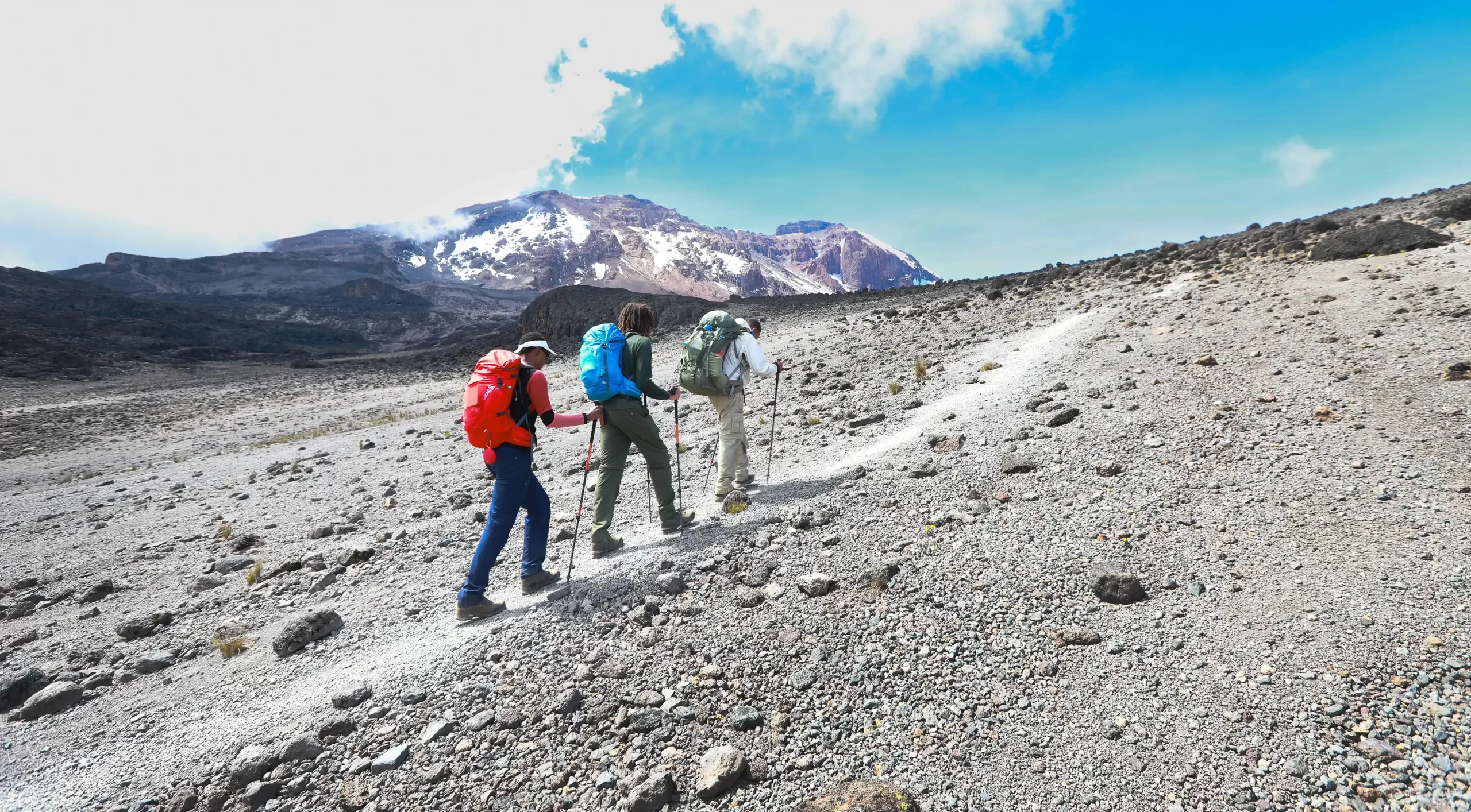
How to Prepare for Climbing Mount Kilimanjaro
Climbing Mount Kilimanjaro is a dream for many adventure enthusiasts. Standing at 5,895 meters (19,341 feet), it’s the highest peak in Africa and offers breathtaking views, diverse ecosystems, and a unique challenge. However, successfully reaching the summit requires proper preparation, both physically and mentally. Here’s a comprehensive guide on how to prepare for your Kilimanjaro adventure.
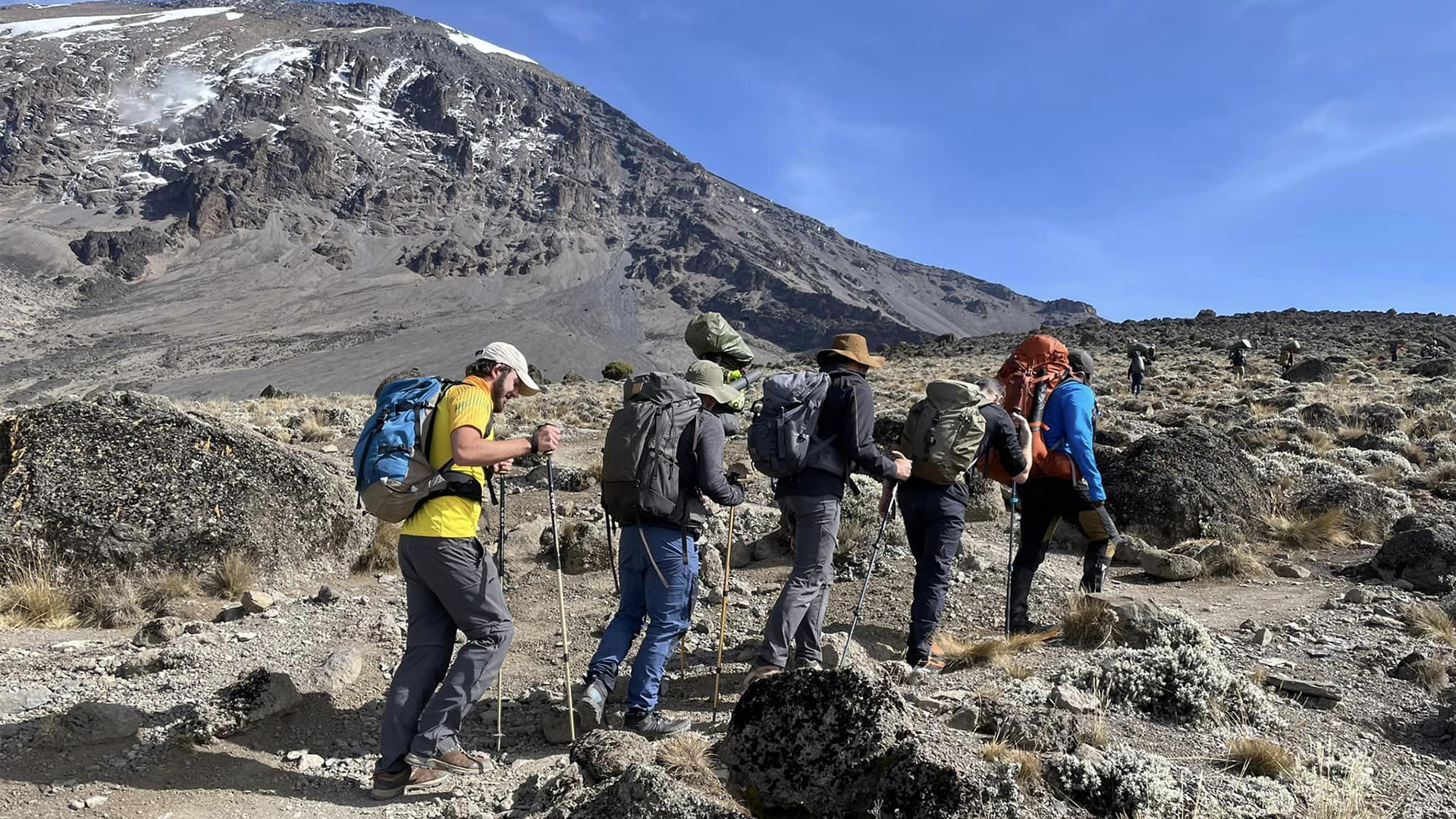
Understand the Climbing Routes
Kilimanjaro has several climbing routes, each with distinct characteristics and challenges. The most popular routes include:
-
Marangu Route: Known as the “Coca-Cola” route, it’s the only one with hut accommodations. It’s also the shortest route, making it popular but less acclimatizing.
-
Machame Route: Known as the “Whiskey” route, it offers stunning scenery and a good acclimatization profile, making it one of the preferred choices for climbers.
-
Lemosho Route: This route offers diverse landscapes and fewer crowds. It is longer, providing better acclimatization.
-
Rongai Route: Approaching from the north, it is less frequented and ideal for those seeking solitude.
-
Northern Circuit: The longest and least crowded route, it provides ample acclimatization time and stunning views.
Research each route to select one that suits your fitness level and preferences.
Physical Training
A. Aerobic Fitness:
Build your cardiovascular endurance through activities like hiking, running, cycling, or swimming. Aim for at least 30-60 minutes of cardio exercises, 3-5 times a week. Incorporate uphill hikes to mimic the climbing conditions.
B. Strength Training:
Focus on strengthening your legs, core, and upper body. Exercises like squats, lunges, planks, and step-ups are beneficial. Carry a backpack with weight to simulate the load you’ll carry during the climb.
C. Flexibility and Balance:
Incorporate yoga or stretching into your routine to improve flexibility and balance, crucial for navigating rocky terrain.
D. Hiking Practice:
Take practice hikes on local trails, gradually increasing distance and elevation. If possible, carry a loaded backpack to simulate the conditions you’ll face on Kilimanjaro.
Acclimatization
Acclimatization is essential to prevent altitude sickness. The higher you climb, the thinner the air becomes, which can lead to Acute Mountain Sickness (AMS). Here are ways to acclimatize:
-
Gradual Ascent: Choose a longer route that allows for gradual ascent, helping your body adjust to the altitude.
-
Climb High, Sleep Low: If possible, spend extra days at higher altitudes during your training hikes, then descend to sleep.
-
Stay Hydrated: Drink plenty of water to help your body acclimatize. Aim for 3-4 liters per day, especially during your climb.
Gear and Equipment
Having the right gear is crucial for a successful climb. Here’s a checklist of essential equipment:
A. Clothing:
- Base Layer: Moisture-wicking long-sleeve shirts and thermal tops.
- Insulating Layer: Fleece or down jackets.
- Outer Layer: Waterproof and windproof jackets and pants.
- Trekking Pants: Lightweight, breathable pants.
- Hiking Socks: Several pairs of thick, moisture-wicking socks.
- Hat and Gloves: Warm hat and gloves for summit night.
B. Footwear:
- Trekking Boots: Sturdy, well-fitting, and broken-in hiking boots with good ankle support.
- Camp Shoes: Lightweight sandals or shoes for relaxing at camp.
C. Equipment:
- Backpack: A comfortable daypack (30-50 liters) for daily essentials.
- Sleeping Bag: A four-season sleeping bag rated for temperatures below freezing.
- Trekking Poles: Helpful for stability and reducing strain on your knees.
D. Accessories:
- Headlamp: For early morning or late-night hikes.
- Water Bottle or Hydration System: Ensure you can carry enough water.
- Sunscreen and Sunglasses: Protect your skin and eyes from UV rays.
- First Aid Kit: Basic first aid supplies and altitude sickness medication if prescribed.
Nutrition and Hydration
Eating well and staying hydrated is key during your climb:
- Pre-Climb Nutrition: Follow a balanced diet rich in carbohydrates, proteins, and healthy fats to build energy reserves.
- During the Climb: Fuel your body with high-energy snacks such as nuts, energy bars, and dried fruits. Make sure to eat a hearty breakfast and lunch to sustain energy levels.
- Hydration: Drink water regularly throughout the climb, even if you don’t feel thirsty.
6. Mental Preparation
Mental toughness is just as important as physical readiness:
- Visualize Success: Picture yourself reaching the summit and enjoying the view. Visualization can boost confidence and reduce anxiety.
- Stay Positive: Keep a positive attitude and be prepared for challenges along the way. Embrace the journey and the experience.
- Connect with Fellow Climbers: Share experiences with your climbing group to build camaraderie and motivation.
Choose a Reputable Tour Operator
Selecting the right tour operator is crucial for your Kilimanjaro experience. Unstoppable Kilimanjaro prides itself on:
-
Expert Guides: Our knowledgeable and experienced guides are trained in mountain safety and first aid, ensuring a safe and enjoyable climb.
-
Personalized Itineraries: We craft itineraries that balance challenge and enjoyment, providing you with the best chances of reaching the summit.
-
Ethical Practices: We prioritize sustainable tourism and the welfare of our porters and guides.
Health and Safety Considerations
Before your climb, consider the following health aspects:
- Consult Your Doctor: Have a medical check-up and discuss any pre-existing conditions or medications you’re taking.
- Altitude Sickness Awareness: Familiarize yourself with the symptoms of altitude sickness (headache, nausea, dizziness) and understand how to respond.
Conclusion
Preparing for a Kilimanjaro climb is a comprehensive process that requires physical training, mental fortitude, and logistical planning. With the right preparation, you’ll not only enhance your chances of reaching the summit but also ensure that you have an unforgettable experience. Embrace the challenge, enjoy the stunning landscapes, and prepare for an adventure of a lifetime on Mount Kilimanjaro!

